November 17, 2026
Addressing minor automotive damage promptly is essential for ensuring road safety and protecting your financial investment. A tiny pebble thrown from the tires of a passing vehicle can strike the windshield, leaving behind a seemingly harmless blemish. However, even the smallest chip or fracture can rapidly escalate into a hazardous defect if ignored. Windshields serve as indispensable components of an automobile's structural framework, meaning any physical impairment can compromise occupant safety. Understanding how minor blemishes develop and recognizing when prompt auto glass repair is required can preserve both the structural integrity of your vehicle and the safety of its passengers.
Identifying the Early Indicators of Windshield Damage
Modern windshields consist of laminated safety glass engineered to withstand blunt force, environmental stress, and roadway debris. This construction bonds two outer layers of glass to an inner layer of durable polyvinyl butyral (PVB). When an airborne object strikes the outer pane, the impact energy distributes across the surface, producing localized imperfections rather than full shattering. These early indicators frequently manifest as small pits, surface scratches, or minute fissures. Failing to inspect these flaws early creates vulnerabilities across the entire pane. Driving over uneven pavement and enduring engine vibrations cause minor fissures to flex repeatedly. Vehicle owners should routinely scan their glass under varied lighting, as early detection enables prompt professional intervention before small defects necessitate full replacement.
Recognizing Common Forms of Roadway Chips
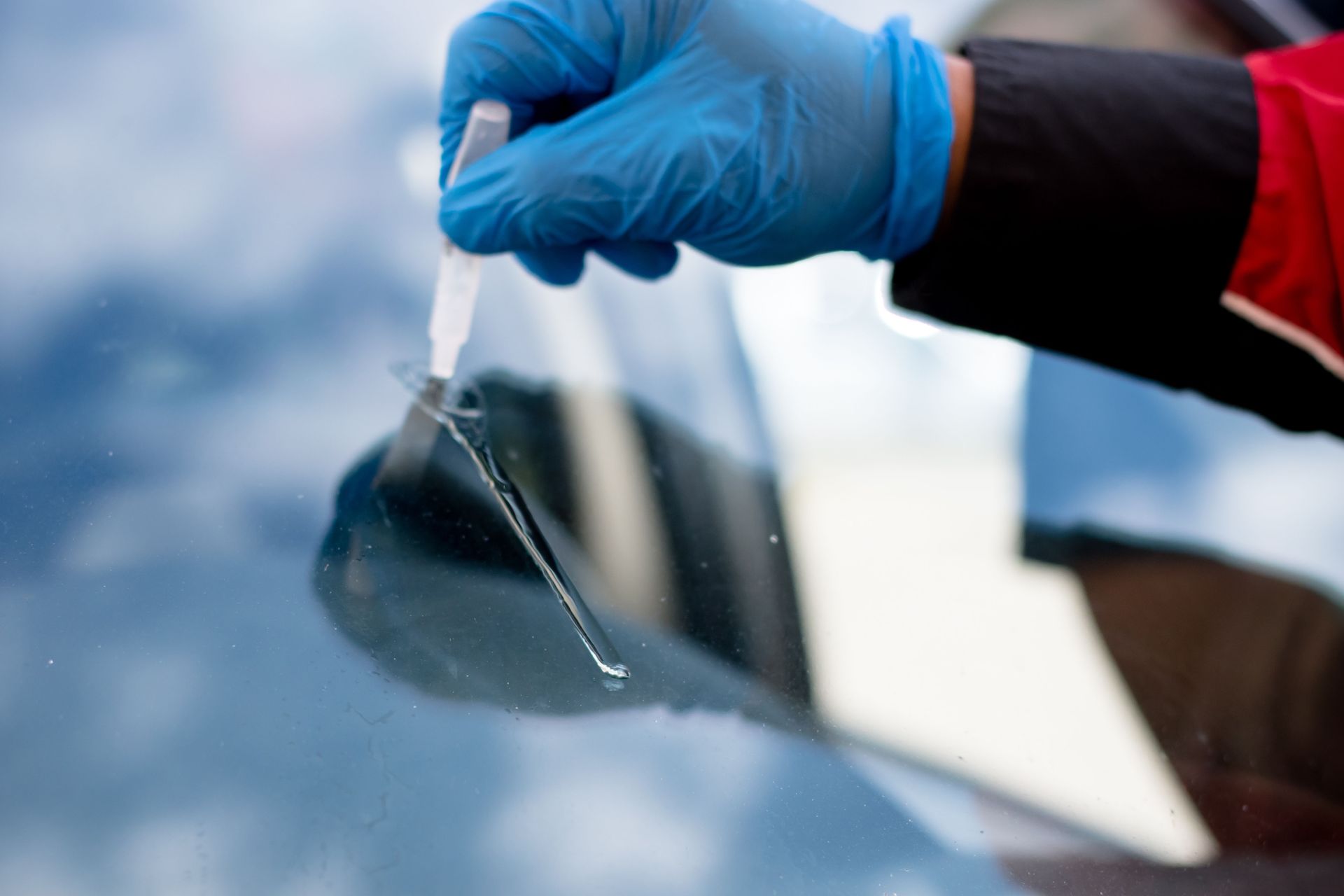
Windshield chips represent the most common type of road-related glass injury. They typically occur as tiny divots where a small piece of glass has been dislodged by gravel. While a chip may appear inconsequential, it exposes the sensitive laminate interlayer to outdoor moisture, road salt, and ambient dirt. When contaminants seep into the impact point, they discolor the laminate and complicate subsequent restoration efforts. Standard auto glass repair methods utilize precision tools to clean the impact point, evacuate air pockets, and inject high-grade liquid resin directly into the damaged area. When cured with ultraviolet light, this resin restores structural resilience, halts progressive cracking, and maintains optimal driving visibility.
Tracking the Rapid Expansion of Small Cracks
Small windshield cracks may initially measure less than an inch, yet they possess significant expansion potential. Laminated glass remains under constant tension and responds vigorously to external mechanical stress. A small crack can lengthen exponentially within hours when a vehicle hits a pothole or navigates rough roadways. Beyond physical impacts, temperature fluctuations accelerate crack development dramatically. On hot summer afternoons, running the air conditioner cools the interior while the exterior remains scorched by direct sunlight. Conversely, activating windshield defrosters on freezing mornings introduces severe thermal shock. These temperature disparities cause the glass layers to expand unevenly, spreading fractures across the primary field of vision if left unaddressed.
Treating Complex Star Breaks and Bullseyes
Star breaks and bullseyes represent distinct, recognizable damage patterns that demand specialized restorative techniques. A bullseye damage pattern features a circular break with a separated cone in the outer layer, resembling concentric rings around an impact point. A star break displays a series of short, fine fractures radiating outward from a central point. Both varieties weaken the structural lattice of laminated glass considerably more than basic surface chips. Because these formations contain internal air pockets and multiple fracture lines, professional technicians utilize specialized vacuum-injection tools to evacuate trapped air. High-grade optical resin then fills every microscopic crevice, stabilizing the glass structure and eliminating glaring optical distortions.
Preventing the Escalation of Structural Flaws
Understanding when a windshield can be salvaged versus when it requires complete replacement depends heavily on the scale and location of the initial damage. According to Amica Insurance, if your windshield is damaged, you may be able to repair it if the crack or chip is less than six inches long or smaller than a quarter in diameter. Adhering to these established safety parameters ensures that minor damage is corrected before it expands beyond repairable thresholds. Timely auto glass repair halts the progression of minor cracks before they reach the fragile outer edges of the windshield, where severe stresses compromise the perimeter seal and mandate costly total replacement.
Minimizing Avoidable Vehicle Ownership Expenses
Addressing minor glass imperfections promptly serves as a sensible financial strategy for any car owner. Minor restorative interventions require considerably less labor, materials, and shop time than replacing an entire windshield assembly. When drivers ignore manageable chips, the inevitable spread of fractures forces a comprehensive windshield replacement, which costs hundreds—and sometimes thousands—of dollars. Consistently scheduling timely auto glass repair protects household budgets from unexpected automotive expenditures. Moreover, many insurance providers encourage proactive maintenance by waiving deductibles for minor resin repairs, recognizing that fixing small flaws early prevents expensive comprehensive claims later.
Safeguarding Modern Cabin Protection Systems
A vehicle windshield provides far more than mere protection from wind and rain; it serves as a critical load-bearing component of the vehicle's structural safety cage. In front-end collisions, the windshield provides up to thirty percent of cabin structural strength, preventing roof collapse during rollover accidents. Untreated fractures create structural weak points that may buckle under severe impact forces. Furthermore, modern passenger vehicles rely heavily on the windshield for deploying front passenger airbags. If the glass contains unchecked chips or spreading fissures, the force of the deploying airbag can shatter the glass outward, preventing proper passenger cushioning. Conducting certified auto glass repair ensures the glass retains its vital protective strength.
Navigating Automotive Legal and Insurance Policies
Operating a vehicle with impaired glass can lead to direct legal complications and traffic citations. Across numerous jurisdictions, traffic safety regulations strictly prohibit driving with cracks or discoloration that obstruct the driver's sweep of the windshield wipers. Law enforcement officers are empowered to issue citations or fail vehicles during mandatory state inspections if cracks cross the central viewing area. Fortunately, comprehensive insurance policies actively support professional auto glass repair, frequently covering the total cost without requiring a deductible payment. Insurers favor prompt resin repairs because they mitigate the need for expensive full replacements and delicate sensor realignments, keeping motorists legally compliant and financially protected.
Factoring Severe Weather and Daily Driving Conditions
Environmental variables exert a constant influence on automotive glass durability. Vehicles exposed to dramatic seasonal climate variations experience heightened risk when existing glass chips go untreated. Freezing precipitation, hail, and highway grime can infiltrate minute fissures, accelerating mechanical breakdown. In winter conditions, moisture trapped inside an open pit expands as it freezes, forcing micro-cracks apart with tremendous physical pressure. Similarly, frequent highway commuting increases glass stress through relentless wind resistance and road vibrations. When environmental stressors and operational frequency converge, prompt auto glass repair reinforces the glass against relentless climate challenges, ensuring dependable year-round durability.
Selecting Qualified Technicians for Lasting Safety
Achieving lasting safety requires relying on experienced technicians who utilize industry-grade resins, precision vacuum apparatus, and rigorous curing standards. Modern windshields are increasingly integrated with Advanced Driver Assistance Systems (ADAS), including forward-facing collision cameras, lane departure sensors, and automated emergency braking hardware. Minor imperfections located near camera sensors can disrupt critical calibration, leading to dangerous system malfunctions on the road. Certified technicians evaluate the exact depth, contamination level, and position of any glass defect to determine the safest corrective strategy. When you require dependable auto glass repair, entrusting your vehicle to experienced professionals ensures your windshield meets strict safety standards. Restoring your windshield early maintains pristine visibility, preserves vital structural protection, and ensures complete peace of mind. For top-tier craftsmanship, fast turnaround times, and reliable service, contact Glenn's Auto Glass today to schedule your inspection and protect your vehicle on every journey.